
Commitments
Domaine Clarence Dillon nurtures, since its creation, a long-standing tradition of patronage and commitments.
A long-standing tradition of patronage
Since it was first established, Domaine Clarence Dillon has been involved, in France and internationally, in patronage activities and philanthropic donations that promote the cultural influence of French heritage and the arts. This commitment follows the example of its American founder, Clarence Dillon, an aesthete and Francophile, who bought Château Haut-Brion in 1935. Truly passionate about the French art of living, he even took cooking classes at Le Cordon Bleu Culinary School. This Franco-American love story and strong bond with art continues among his descendants. His son, Douglas Dillon, after having been Ambassador for the United States in France, became President and Chairman of the Metropolitan Museum of Art in New York and notably founded the Asian Wing of the Museum.

Patronage of the Grand Palais for the renovation of its statuary
Domaine Clarence Dillon, whose Parisian residence faces the Grand Palais, is continuing the tradition of patronage dear to its founder, by giving its support to the restoration of the statuary along the Avenue Franklin D. Roosevelt frontage, which includes ten of the monument’s most emblematic sculptures. The frontage of the Grand Palais on Avenue Franklin D. Roosevelt is lavishly ornamented by ten majestic statues, each of them representing a noble subject of art and science. By their symbolic representation, they convey the creative power of the artist and the intellectual precision of the scientist. Considerably damaged by weather and pollution, the collection of statues has had to be completely wrapped in netting since 2018. This large-scale restoration project will call upon skilled craftspeople: stonemasons and restoration professionals, experts in restoration techniques of outdoor ornaments and statues, whilst giving practical training to young talents in heritage restoration. Passing on know-how, one of the values dear to Domaine Clarence Dillon, is reflected here in the best possible way.

Domaine Clarence Dillon’s commitments
In 2010, Domaine Clarence Dillon, represented by its Chairman Prince Robert of Luxembourg, as well as the members of the Dillon Family, through its charitable foundation, became the first patrons, “Honorary Builders”, of the Cité du Vin in Bordeaux. Today, the company gives its support to numerous institutions in France, notably the Louvre Museum, as well as the Bordeaux Opera House for the restoration of its Main Foyer and Artists’ Room, in addition to the Bordeaux University Foundation, which aims to make Bordeaux University a centre of European excellence. Internationally, Domaine Clarence Dillon assists young talents every year via the Montreux Jazz Artists Foundation and also gives its backing to causes related to health (Sidaction), human rights (Human Rights Watch) and the environment (One Drop).
Sustainable winegrowing and biodiversity
The protection of the environment is an ancient practice rooted in the preservation of the terroir, which has been passed down from generation to generation.
This involves showing careful consideration for the soils and their characteristics, limiting the number of interventions.
Preserving our unique gravel terroir
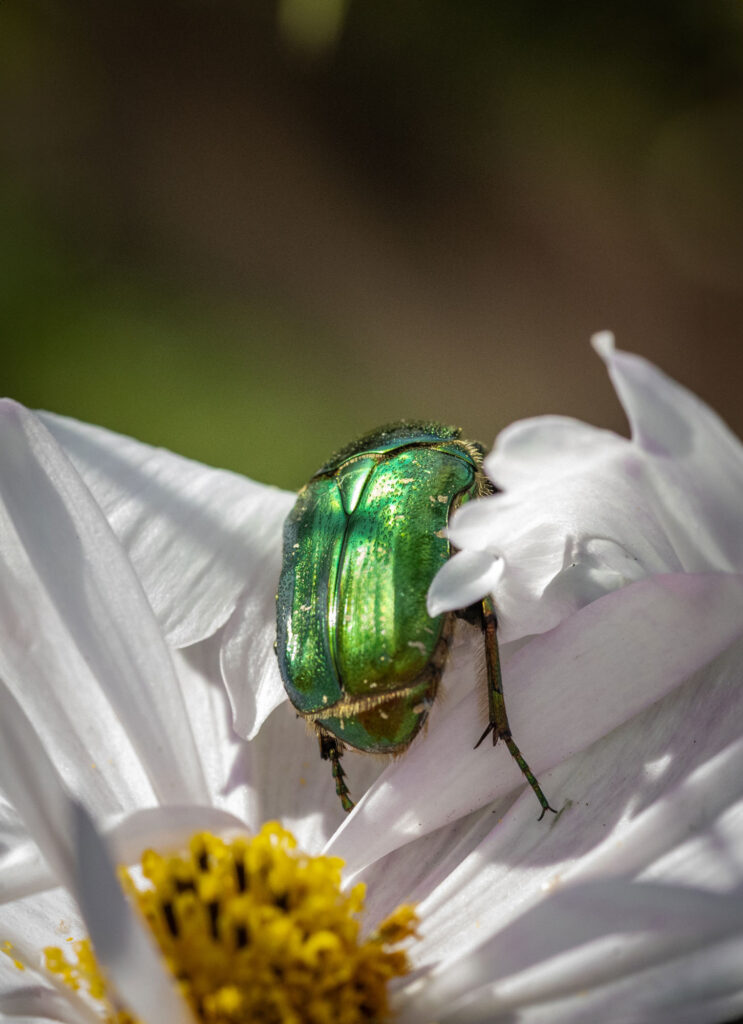
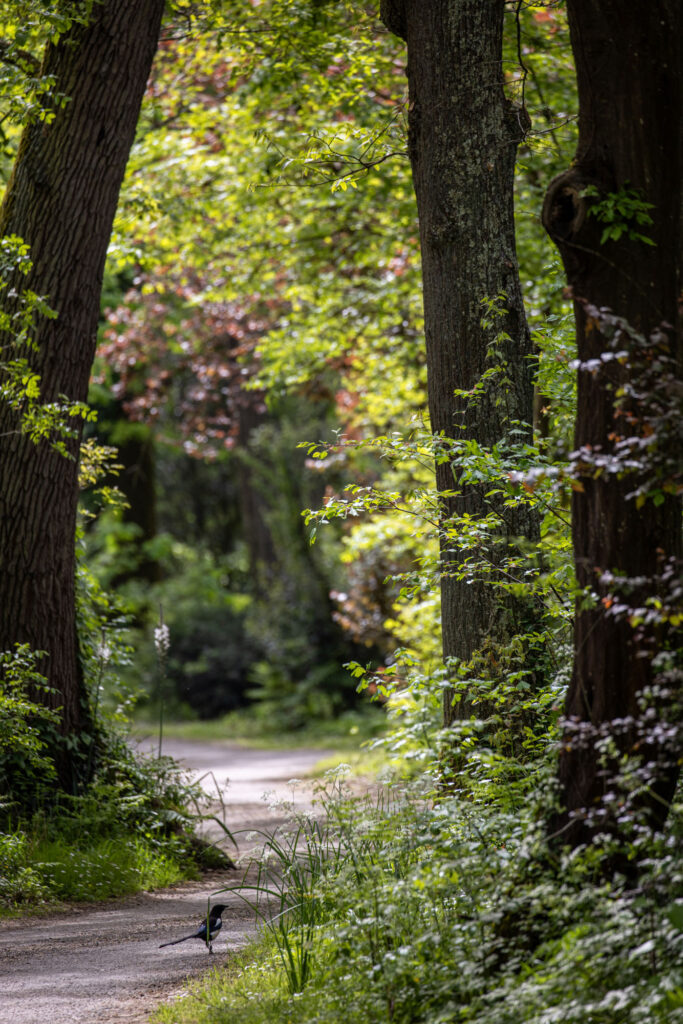
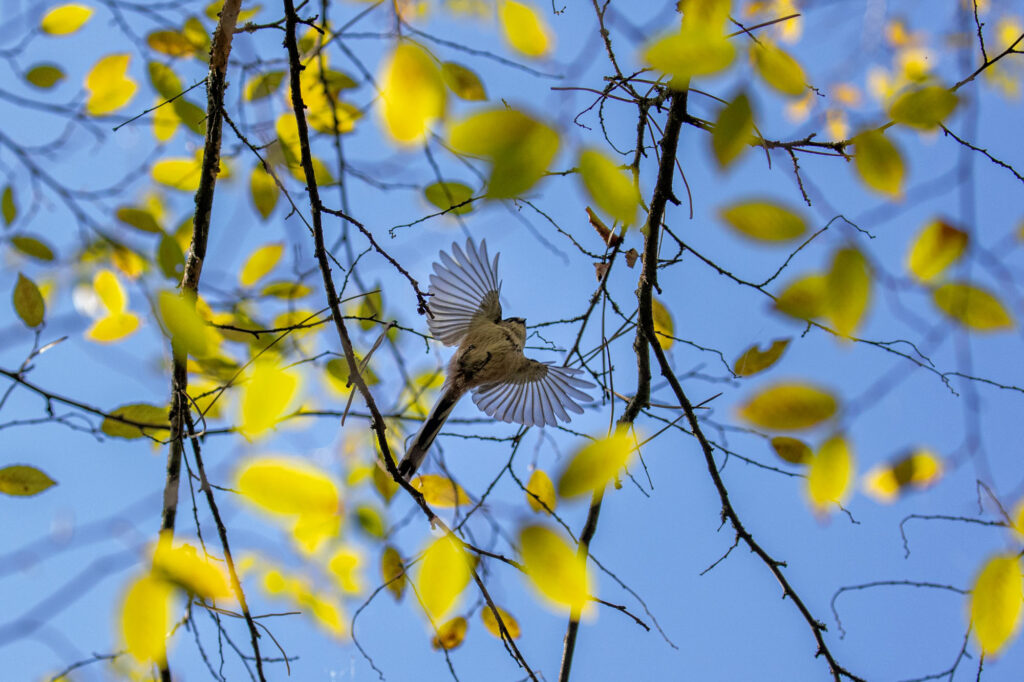
In the towns of Pessac and Talence, Châteaux Haut-Brion and La Mission Haut-Brion’s grounds have a wooded area of 4 hectares, including a park of 3.5 hectares that is home to a great variety of birds, some of which are protected species. Every year, an inventory of the various wildlife groups is done. The recent inventory tallied more than 40 species , the large majority of which are nesting species. Among these, 14 heritage species and 28 protected species were counted, some of which are at conservation status, such as the Great Capricorn beetle, the Stag beetle kite, as well as wild bees like the Andrenideae, andrenid bees, commonly known as mining bees. This diversity is further increased by the large surface area of the park and the variety of habitats it provides, with wooded areas maintained covered, partially covered, floral spaces, bramble hedgerows. The method of gentle management used for these wooded areas at the property is also crucial, because our grounds and plots of vines are part of ecological corridors and reservoirs of biodiversity present in the urban area of Bordeaux. So, some green, or biological, waste is left on site to shelter insects and small mammals or reptiles, while scything is done as late in the year as possible.
Château Quintus, a haven of extraordinary biodiversity
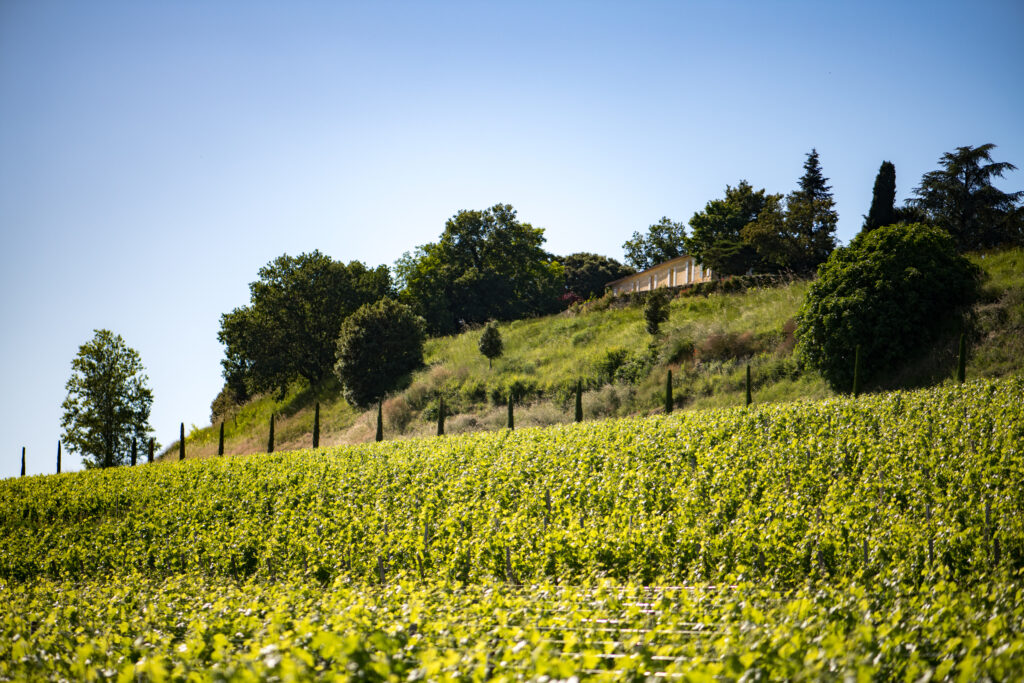
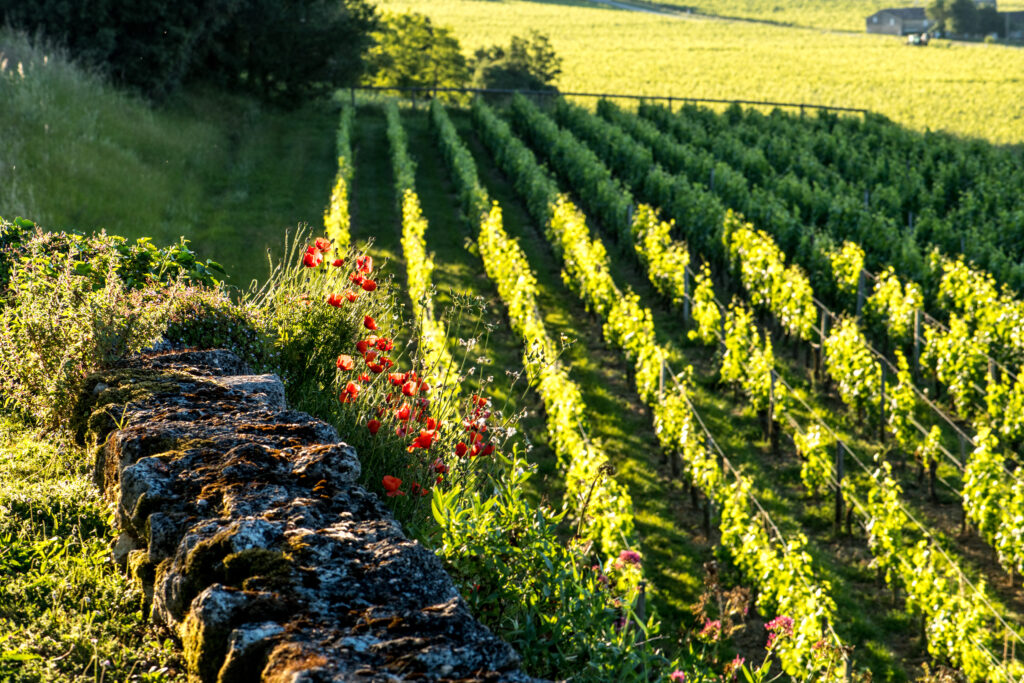
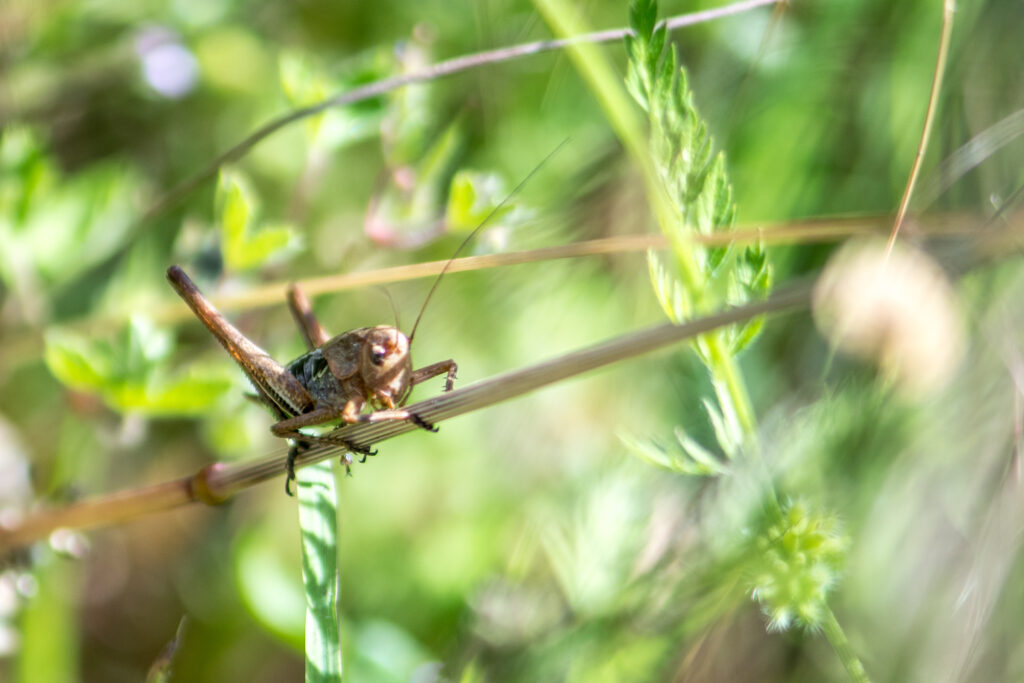
In Saint-Emilion, the environmental specificity of Château Quintus lies in its Mediterranean Green Belt, a real reservoir for biodiversity. The grounds at Quintus covering two hectares are enchanting from the very first glance, with their numerous hedgerows, majestic holm oaks, low stone walls and verdant escarpments. These treasures of landscape heritage that surround all the plots of vines are important shelters for natural allies, which are vital to enable the vineyard to flourish. The recent inventory of the profusion of auxiliary fauna and flora of the property, carried out with the assistance of a doctor of entomology and landscape ecology, reveals a rare abundance of species: 800 types of auxiliary fauna gathered, divided into 200 different species and 80 varieties of wild flowers were counted at the estate. Among these auxiliaries, there are birds such as chickadees, bats, as well as insects, all of which are predators of the various parasites of the vine. They thrive in the vine’s foliage, but also in the hedgerows, woods and among the inter-row plant cover. In order to enhance the natural biodiversity of the area, the vineyard workers sow wild flowers on fallow land in the escarpments of the hillside slope, as well as in plots where vines have been uprooted. Mowing, scything and soil work carried out mechanically are all restricted to a minimum. Hedgerows of local varieties are also planted, acting as ecological corridors in less wooded areas.


The gentle, sustainable management of the wooded
areas at the properties is also crucial, as our grounds and vineyards
are part of the ecological corridors and biodiversity reservoirs of Bordeaux’s
urban area for the Left Bank, and part of the Mediterranean Green Belt
for the Right Bank.